
THE HISTORY OF GEMS IN SRI LANKA (CEYLON)

Its mineral rich soils have been yielding seemingly a never ending supply of high quality precious and semi-precious gem stones. Sri Lankan chronicle Mahavamsa records Ceylon was known as "Rathna deepa" in Sanskrit meaning The Island of Jewells. Sri Lanka has a rich history of large deposits of diverse gems stones.Ratnapura (‘City of Gems' in Singhalese) incredible variety of gemstones, many of them outstanding in comparison with stones from other regions. Since the early times Ceylon produces Blue, Golden Yellow, Pink, Orange sapphires, Rubies,Pinkish yellow (Padparadscha) Chrysoberyl cat's eyes,Alexandrite color changing garnets, Star sapphires, Garnets, Zircons, Tourmalines and Spinals.
The chronicle also mentions encrusted thrones owned by Naga king in 540 BC proving historical evidence for gem history going back to 2500 years. Many Sri Lankan Kings have sent gems and pearls to foreign countries seeking to establish trade and relationships. In 250BC the King at the time reported to have gifted three varied kind of gems and eight types of pearls to Indian Emperor. A Roman Naturalist wrote "Tabrabane"s, ambassador (Sri Lanka know at that time) boasted of its fine gem stones during the time of Roman Emperor Claudius in AD 41 to 54. The Greek astronomer Ptolemy in 2nd century, Marco Polo in 12th Century, Famous Arab Explorer Ibnu Batuta in 14th Century and Robert Knox made several references about the abundance of Sapphires, Beryl's, Topaz, Amethyst and garnets they found and witnessed.
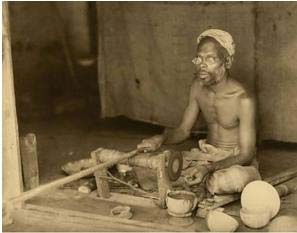
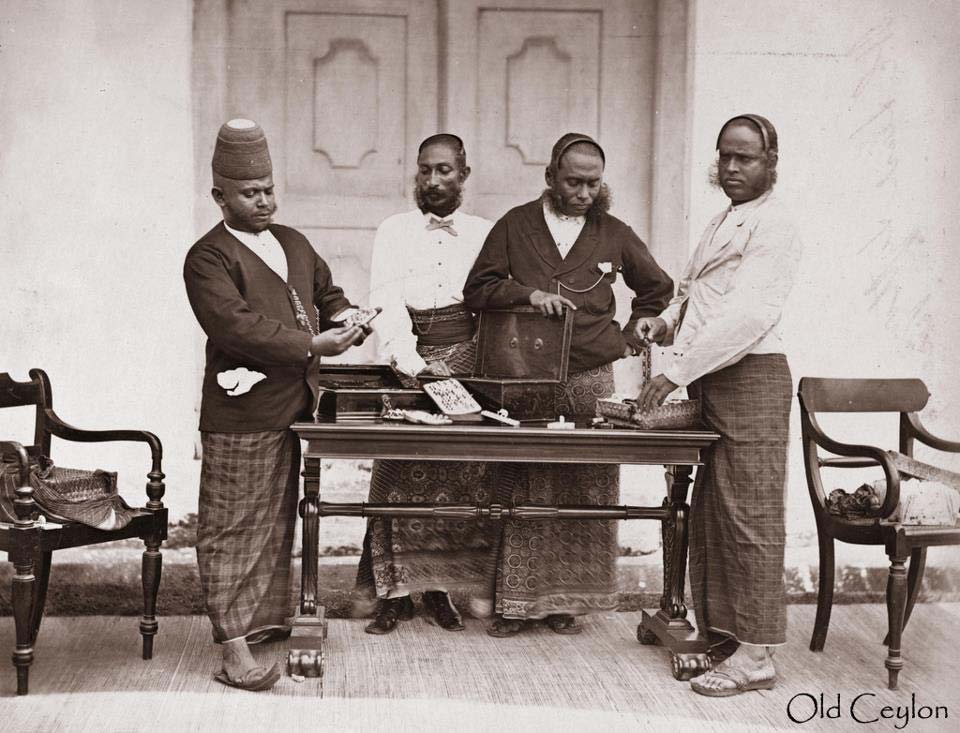
Sri Lanka not only produced gems stones of remarkable variety, the mining, cutting, and polishing industry dates back to centuries. Almost all the stones that are found in Sri Lanka since the periods of the kingships are cut and polished before exported. The expertise of cutting and polishing has been in the bloods of Sri Lankan due to abundance of knowledge about varied types of gemstone and how each type should be cut. The gem industry is largely vested in the hands of the Ceylon Moors descendants of Arabians. This is due rich expertise of Arabian trading, profound ability to speak different languages and travel across different country to seek commercially valuable items.